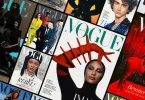

With so many magazines available today, choosing what magazine to read can feel overwhelming. From fashion and lifestyle to technology, business, and hobbies, each magazine offers a unique perspective and purpose. Picking the right magazine ensures that your reading time is enjoyable, informative, and inspiring.
Whether you’re reading for entertainment, learning, or personal growth, this guide will help you find the magazines that best fit your interests and lifestyle. By following a few simple tips, you can make every issue meaningful and make the most of your reading experience.
Identify Your Interests
The first and most important step in deciding what magazine to read is understanding your own interests. With thousands of magazines available, reading blindly can be overwhelming. Focusing on topics you truly enjoy ensures that every issue you pick up is engaging, inspiring, and worth your time.
Explore Different Categories
Magazines cover a wide range of topics. Here are some of the most popular categories to consider:
- Fashion & Lifestyle: Stay updated on trends, style tips, beauty advice, and celebrity news. Perfect for readers who enjoy staying stylish and in-the-know.
- Technology & Science: Explore gadgets, innovations, research breakthroughs, and tech trends. Ideal for curious minds and professionals in tech industries.
- Business & Finance: Learn about entrepreneurship, market trends, career growth, and investment tips. Great for anyone looking to grow professionally or stay informed about the economy.
- Travel & Culture: Discover new destinations, cultural experiences, and travel guides. Perfect for adventure lovers or anyone planning their next getaway.
- Health & Fitness: Get tips on nutrition, exercise routines, mental wellness, and lifestyle changes. Ideal for readers who want to live healthier lives.
- Hobbies & Interests: From photography and cooking to sports, art, and DIY projects, these magazines help you explore your passions and develop new skills.
- Entertainment & Media: Stay updated on movies, music, TV shows, gaming, and pop culture. Perfect for those who want fun, light reading, or insights into the entertainment world.
Reflect on Your Goals and Preferences
Before picking a magazine, ask yourself:
- What topics make me excited to read?
- Which areas do I want to learn more about or improve in?
- Am I reading for relaxation, learning, or inspiration?
- How much time do I want to spend reading each issue?
Answering these questions will help you prioritize magazines that truly match your interests and purpose.
Combine Interests for Variety
You don’t have to stick to just one category. Many readers enjoy mixing genres—for example:
- A tech magazine for learning, a travel magazine for inspiration, and a lifestyle magazine for relaxation.
- A business magazine for professional growth and a hobby-focused magazine for creative expression.
This approach keeps your reading routine fresh and prevents it from becoming monotonous.
Tip:
Start by listing your top 3–5 interests, then research magazines that cover those topics. Once you’ve explored a few issues, refine your list based on what excites you the most. Over time, your reading selection will evolve naturally as your interests grow or change.
Define Your Reading Goals

Knowing why you are reading is just as important as knowing what to read. Different magazines serve different purposes, so defining your reading goals helps you choose publications that match your needs.
Determine Your Purpose
Ask yourself what you want to gain from magazine reading:
- Entertainment: Reading for fun, relaxation, or staying updated with trends. Example: lifestyle, celebrity, or entertainment magazines. What Magazine to Read
- Learning and Knowledge: Magazines that provide information, insights, and new ideas. Example: science, business, technology, or educational magazines. What Magazine to Read
- Personal Growth and Inspiration: Magazines that motivate or encourage creativity, self-improvement, or wellness. Example: health, fitness, art, or travel magazines. What Magazine to Read
Set Priorities
Once you know your purpose, prioritize magazines that align with your goals:
- If your main goal is learning, focus on reputable educational or professional magazines.
- If you want inspiration, lifestyle, travel, or creative magazines are ideal.
- If you want a mix, consider selecting one magazine for each goal category.
Consider Reading Time and Commitment
Your reading goals should match the time you can realistically dedicate:
- Short, casual reading: Choose magazines with brief, easy-to-read articles. What Magazine to Read
- In-depth learning: Opt for magazines with detailed articles, case studies, or long features. What Magazine to Read
Tip:
Keep a small notebook or digital note to list your reading goals. For each magazine you consider, ask: “Does this magazine help me achieve my goal?” If the answer is yes, it’s worth reading; if not, it may not be a good fit.
By defining your reading goals, you ensure every magazine you pick up provides value, enjoyment, or inspiration—making your reading time more purposeful and rewarding. What Magazine to Read
you may also like to read these posts;
Your Ultimate Magazine Recommendations Guide for Readers
Reading Guide for Magazines: Top Picks for Every Interest
The Ultimate Guide to Choose the Right Magazine
Best Magazines to Read: Find Your Perfect Issue Today
Check Magazine Credibility and Quality
Once you know your interests and reading goals, the next crucial step in deciding what magazine to read is evaluating its credibility and overall quality. A high-quality magazine not only provides accurate information but also delivers content in an enjoyable and professional format. Choosing the right publication ensures that your reading time is worthwhile and rewarding.
Look for Reputable Publications
Reputable magazines are usually backed by established publishers or well-known media brands. They maintain a consistent reputation for accuracy and professionalism. Key indicators of a credible magazine include:
- A consistent publishing schedule, so you know when to expect new issues. What Magazine to Read
- Articles written and edited by qualified journalists or experts in the field. What Magazine to Read
- Proper sources or references cited for factual information. What Magazine to Read
- High production quality, including well-designed layouts, clear images, and legible typography. What Magazine to Read
Magazines with these qualities give you confidence that the information you read is trustworthy.
Read Reviews and Recommendations
Before subscribing, research what others are saying about the magazine:
- Check online reviews on platforms like Amazon, Goodreads, or magazine-specific forums. What Magazine to Read
- Ask friends, colleagues, or online communities with similar interests for suggestions. What Magazine to Read
- Look for comments on writing style, content relevance, and how helpful or engaging the articles are. What Magazine to Read
Reviews and recommendations help you avoid magazines that might be flashy but offer little value. What Magazine to Read
Sample the Content First
Many magazines provide free previews, sample issues, or online articles. Sampling content helps you evaluate whether a magazine fits your preferences:
- Topic relevance: Do the articles match your interests and reading goals?
- Writing style: Is it easy to read, engaging, and clear?
- Depth of content: Does it provide detailed insights or only surface-level information?
- Visual appeal: Are images, charts, and design elements high quality and easy to follow?
Sampling before subscribing helps you make an informed decision and avoid wasting money on magazines that don’t meet your expectations.
Avoid Magazines That Prioritize Clickbait
Not all magazines provide genuine value. Some focus more on attention-grabbing headlines than quality content. Red flags include:
- Sensationalized or misleading headlines that don’t reflect the article’s content.
- Excessive advertisements that disrupt reading flow.
- Poor grammar, spelling mistakes, or sloppy editing.
- Articles with little factual or practical information.
Check the Author and Publisher
- Look for articles written by recognized experts or journalists in the field.
- Ensure the publisher has a good track record for quality and ethical journalism.
- Magazines associated with professional organizations or institutions are often more reliable.
Tip:
Create a short checklist before subscribing:
- Is the magazine reputable and credible?
- Does the content match my interests and goals?
- Is the writing clear and professional?
- Are visuals and design high quality?
- Does it provide value consistently over multiple issues?
If a magazine meets most or all of these criteria, it’s likely a good choice for your reading time. If not, keep exploring until you find one that offers reliable and enjoyable content.
By carefully checking credibility and quality, you ensure that every magazine you read is a valuable source of information, inspiration, and entertainment—making your reading experience both enjoyable and productive.
Decide Between Print and Digital

Once you’ve identified your interests and checked magazine quality, the next step in deciding what magazine to read is choosing the format: print or digital. Both formats have unique benefits, and the right choice depends on your lifestyle, reading habits, and personal preference.
Benefits of Print Magazines
Print magazines are the traditional choice and offer a tangible reading experience. Advantages include:
- Tactile experience: Flipping through pages can be more satisfying and immersive than scrolling on a screen.
- Visual appeal: High-quality images, layouts, and paper textures enhance the reading experience.
- Collectible value: You can build a physical collection of favorite issues, which can be referenced later or even displayed.
- Offline access: No internet connection is required, so you can read anywhere—on commutes, vacations, or relaxing at home.
Benefits of Digital Magazines
Digital magazines have become increasingly popular due to their convenience and flexibility. Advantages include:
- Portability: Carry hundreds of magazines on your tablet, phone, or e-reader.
- Searchable content: Quickly find articles, keywords, or topics without flipping pages.
- Eco-friendly: No paper is used, reducing environmental impact.
- Interactive content: Many digital magazines include videos, links, or animations for an enriched experience.
- Easy storage: No physical space required—perfect for readers with limited storage.
Factors to Consider When Choosing
When deciding between print and digital, consider:
- Your lifestyle: Busy commuters may prefer digital magazines, while home readers may enjoy print.
- Reading habits: If you enjoy highlighting or taking notes in the margins, print might be better.
- Storage space: Digital magazines save physical space.
- Budget: Digital subscriptions are often cheaper, but print can feel more premium.
Tip:
You don’t have to choose just one. Many readers enjoy a hybrid approach:
- Read print magazines for leisurely, immersive reading at home.
- Use digital magazines for travel, quick reference, or work-related reading.
By carefully considering the format, you can make your magazine reading more convenient, enjoyable, and suited to your lifestyle. Choosing the right format ensures you stay consistent and get the most out of every issue.
How do I know which magazine is best for me?
Start by identifying your interests and reading goals. Consider topics you enjoy, whether you’re reading for learning, inspiration, or entertainment, and try sample issues before subscribing.
Are digital magazines better than print?
It depends on your lifestyle and preferences:
Digital magazines are portable, searchable, and eco-friendly.
Print magazines offer a tactile, immersive experience and collectible value.
Many readers use a combination of both to suit different situations.
Can magazines improve knowledge or skills?
Yes! Magazines can provide industry insights, expert tips, and creative inspiration. Regular reading can expand your knowledge, spark ideas, and even improve vocabulary and critical thinking skills.
Conclusion
Choosing what magazine to read doesn’t have to be overwhelming. By identifying your interests, defining your reading goals, checking for credibility and quality, and deciding on the right format, you can make your reading time both enjoyable and productive.
Remember, the right magazine can inform, inspire, and entertain. Whether you’re reading for learning, personal growth, or simply relaxing, choosing a publication that aligns with your goals ensures every issue adds value to your life.